關渡公園邁入第20年 國際濕地研討會聚焦

摘錄自2019年12月2日中央通訊社報導

關渡自然公園20週年紀念研討會今天(2日)登場,台北市動保處表示,逾20個國家、地區和上百名濕地中心成員齊聚參與,為歷屆最大規模年會,讓關渡自然公園站上世界舞台。

台北市副市長黃珊珊出席活動時指出,台北市政府與台北市野鳥學會合作,於今年11月前往韓國順天市聯合國拉姆薩爾東亞中心辦公室爭取到主辦第7屆亞洲溼地年會的計畫。獲選原因除關渡自然公園將於民國109年12月1日達到經營管理20週年裡程碑外,也因其為全台首座完全委託民間經營管理的生態保育區,是公私部門合作且具公眾參與經驗的亞洲地區模範。

同時,關渡自然公園20週年紀念研討會今天也在台北市立動物園開幕,聯合國拉姆薩爾東亞中心結合國際濕地夥伴網絡(WLI)率20個國家及地區、超過百名濕地中心成員齊聚北市、共同祝賀,是歷屆最大規模的年會活動,也是台灣近年來最重要的濕地保護盛事。

動保處說,這次研討會除由9個國家、地區的溼地中心經營管理代表分享9個不同案例外;也邀請世界自然基金會(WWF)、英國野生水禽與濕地信託基金會(WWT)、國家地理學會和台灣保育工作推動的重量級人士,進行7個場次的專題演講,讓關渡自然公園站上世界舞台。

動保處表示,北市府為保護重要野鳥棲地,和保留市內最後一塊濕地淨土,於民國85年成立關渡自然公園,透過數十年溼地保育努力積極行動,結合國內外學術與企業的資源與力量,營造出北市難得的溼地生態環境。

【其他文章推薦】

飲水機設備有哪些?

※如何選購橡膠製品橡膠按鍵規格有哪些?該如何應用在商品上?  

AVX DistributorAVX TPSAVX鉭質電容器 規格有哪些?各別作用在於?

nbr乳膠手套可適用在什麼環境?

※空壓機何時可換油? 空壓機保養的正確觀念與維護 !

真空封口機該不該買?使用心得分享

違建屋頂設光電 高雄創能經濟開跑

摘錄自2019年12月03日聯合新聞網報導

高雄市政府今年啟動4年期「創能經濟太陽光電計畫」,鼓勵民眾屋頂違建改設光電設備,環保發電又有綠金可賺,工務局統計到11月底為止,共有45案違建屋頂提出申請改設為太陽光電設施,經輔導通過設置有36案,還有2案正在審查。

高雄市違建大隊指出,這些通過申請的案件,原則上不會列入優先拆除案件中,45案有7案審查沒有通過,主要是影響屋頂避難平台或防火巷等涉及公共危險,不同意設立。

工務局長吳明昌說,今年啟動與各局處合作的「創能經濟太陽光電計畫」,目標是4年內新增設置500萬瓦的太陽光電容量。

違建處理大隊說,高雄氣候炎熱多雨,民眾為避免屋頂漏水、遮陽隔熱,頂樓常見增建鐵皮違建情形。這些違建在不影響公共安全前提條件下,如屬101年以前興建完成的既存違建,違建大隊鼓勵民眾提出申請,建管處會協助輔導,讓違建不只有拆除一途,改為太陽能光電設施,賺綠金,也符合環保概念。

【其他文章推薦】

※想知道台中食品倉有哪些?  

不鏽鋼螺絲的應用常識-五金修繕

堆高機基本駕駛指導教學(影片)

廢氣洗滌塔,叫得動, 找得到的專業廠商‎

營業用紅外線烤爐比價站,怕你買貴,幫你找好康~

※市面十大品牌封口機!該如何選購?

儲電技術與成本 抑制印度煤電成長的關鍵 | 解讀《 2019年世界能源展望》報告2/3

環境資訊中心外電;姜唯 翻譯;林大利 審校;稿源:Carbon Brief 前言:國際能源署(IEA)11月13日發表2019年《世界能源展望》報告。810頁報告的特點在於「承諾政策情境」(Stated Policies Scenario, STEPS),反映政府已經說出口的政策的效果──風能和太陽能的激增將使再生能源滿足全球能源需求的大部分成長。但是煤炭的平穩發展,加上對石油和天然氣的需求不斷增加,全球排放量在到2040年的展望期內將繼續上升。 相對地,報告的「永續發展情境」(Sustainable Development Scenario, SDS)描繪出有50%機率將升溫限制在1.65°C內所需的條件,IEA表示這是「完全符合巴黎協定」的情況──SDS需要投資「大量重新分配」,從化石燃料轉向效率和再生能源、淘汰全球約一半的燃煤電廠,以及全球經濟的其他變化。

二氧化碳排放量

()在STEPS之下,全球來自能源的碳排放量將在2018年創紀錄後繼續上升,本世紀很可能升溫2.7°C以上。 下錶中的黑色虛線表示此排放軌跡。

相反地,SDS(紅色粗線)之下碳排迅速下降,比2010年還下降17%,2040年下降48%,2050年下降68%。IEA說,如此可在2070年實現淨零排放,並且有50%的機會將升溫限制在1.65°C,或66%的機會停在1.8°C。

這條軌跡的積極度比大多數1.5°C途徑要低,升溫沒有或是僅一小段時間超標(下圖中的黃線)。 政府間氣候變遷專門委員會(IPCC)在其1.5°C特別報告中表示,1.5°C途徑需要在2030年將碳排降至2010年水平的45%,並在2050年達到淨零。

過去(實線)和未來各種不同情境下,來自能源和工業的全球二氧化碳排放量:IEA STEPS(黑色虛線)、IEA SDS(粗紅線)、IPCC升溫1.5℃內途徑,沒有或有限的升溫度超標(細黃線)、IPCC升溫超過1.5C途徑(藍色)以及IPCC升溫2C途徑(灰色)。低於零的值表示負排放,即來自能源和工業的二氧化碳增加量少於移除量,這裡主要是指有碳捕獲和儲存(BECCS)的生物能。資料來源:國際能源署《 2019年世界能源展望》和Carbon Brief對IPCC 1.5℃暖化特別報告的簡要分析。圖片由Carbon Brief用Highcharts繪製。

根據IEA資料,SDS「使全球氣溫上升控制在遠低於2°C……並力求控制在1.5°C以內,完全符合《巴黎協定》目標」。還提供了兩種表現可以超越SDS,同時升溫保持在1.5°C以下的選擇。

「力求」不一定是實現目標,而是朝著目標前進,或者是非常接近1.5°C-只要有額外的行動。

除了WEO中心觀點STEPS外,巴黎協定中所謂的「非常接近」也是飽受非政府組織、科學家、商業團體和其他組織批評的語言。他們今年四月寫信呼籲IEA模擬出有66%機率將升溫限制在1.5°C的情境。

這封信的其中一位作者、倫敦帝國理工學院格蘭瑟姆研究所氣候變遷和環境講師羅傑爾(Joeri Rogelj)博士說,SDS和1.5°C不一致,和《巴黎協定》也有些面向不同。

羅傑爾是IPCC 1.5°C特別報告第二章的協調主要作者,也是IPCC即將發布的第六次評估報告中第一工作組的主要作者。

他告訴Carbon Brief,巴黎協定的「力求1.5°C」至少有兩種可能的解釋,一種是將峰值升溫限制在1.5°C,另一種是可以超過再降回。「把錯過目標納入計畫當中,不能合理解釋成完全符合《巴黎協定》,」羅傑爾說。

他還指出了協定的第4條,致力於在人為碳排放源與所有溫室氣體匯之間達到「平衡」。要實現這個目標可能需要淨負​碳排​,SDS沒有達成這一點的詳細途徑。

負碳排可以透過技術解決方案實現,如帶有碳捕集與封存的生物能源(BECCS),也可透過自然氣候解決方案達成,如綠化。

IEA表示,負排放確實是SDS之下達成1.5°C的一種方法,總共需要清除大約3000億噸的二氧化碳(GtCO2)才能彌補這個差距。然而IEA也承認,大規模部署負碳排設備的永續性和可交付性的確存在隱憂。

WEO說:

考慮到負排放技術的問題,構建一個超越SDS、2050年實現零碳排放,並有50%的機率將升溫限制在1.5°C,而無需依賴淨負碳排的情境是有可能的。

(這個情境已經有人做出,收錄在IPCC的1.5°C報告和上圖中。)

IEA表示,要超越SDS,全世界必須正面對抗那些最困難的領域,如航空、重工業和建築供熱,包括全面性的建築改造、工業過程新技術的開發和改造。

IEA表示,這「不只是擴大SDS中的變革而已」,而是要「面對非常困難且難以克服的挑戰」,有一些領域需要社會大眾的接受度和行為改變:

「這不是能源業內部就能做到的事,而是整個社會的任務……需要跨非常多領域進行大規模變革,這將直接影響幾乎每個人的生活。」

雖然有點挑戰性,但如果IEA能建構出1.5°C情境,政策規劃人員可以參考IEA模型來瞭解各種能源和氣候選擇。隨著各國政府根據《巴黎協定》重新考慮其氣候承諾,並在2020年推出新一輪的國家自主減排計畫,這個參考資料將顯得很重要。

煤炭的變化

報告內有去年版本至今的各種變動,反映相對於基準年的變化-2018年需求增加力道異常強勁-以及新增或修訂的政策。

IEA再次下調了STEPS下的煤炭需求前景,如下圖所示(紅線)。但是煤炭近期前景提高了,部分原因是中國重新依賴高污染產業來支撐增長緩慢。

全球煤炭需求歷史(黑線,百萬噸石油當量)和IEA前一版中心觀點情境的未來成長(藍色色塊)。今年的STEPS以紅色標示,SDS以黃色標示。資料來源:國際能源署《 2019年世界能源展望》和前一版報告。Carbon Brief使用Highcharts繪製。

照STEPS的計畫和政策,儘管近期需求有所增長,今年燃煤用量將會低於2014年的峰值,但仍遠高於SDS之下、暖化遠低於2°C途徑的水準(上圖黃線)。

STEPS之下,美國和歐盟等已開發經濟體煤炭用量快速下降,但印度需求增長是保持全球煤炭用量穩定的關鍵因素之一。

印度這波成長的部分原因是大量新火力發電廠興建中,到2040年將打造出232GW的容量,成長一倍,佔全球新增容量的1/3。

IEA表示,如果電池儲存成本的下降速度快於預期,印度的煤電容量成長將被「大幅削減」。 IEA表示,太陽能和廉價的儲存技術可以「重塑印度電力結構的演變」,並提供「非常引人注目的經濟和環境主張」。


印度的高壓電塔。照片來源: 。

值得注意的另一點是,印度目前燃煤容量只有85GW,IEA預計的新燃煤容量卻高達232GW,其中有1/4已經被凍結多年。

自2010年以來,由於廉價再生能源的競爭、公用事業公司財務困境和公眾的反對,有額外510GW的新煤電廠計畫被取消。

此外,印度政府一再高估了電力需求的增長,現有煤電容量的運行時間不到2/3。2019年至今的數據顯示,印度煤炭發電量可能正在下降。

印度政府最近宣布了一個相當積極的目標,太陽能、風能和生質能的容量要達到450GW,最快2030年達成。IEA的STEPS到2030年僅增加344GW。根據近期Carbon Brief的分析,如果能夠達到這個目標,那麼風能、太陽能和其他低碳能源可以在不增加新煤電的情況下,滿足日益增長的需求。(2/3,未完待續)

‘Profound shifts’ underway in energy system, says IEA World Energy Outlook (2/3) by Simon Evans

CO2 emissions

In the STEPS, global CO2 emissions from energy would continue to rise from the they reached in 2018, putting the world on track for upwards of 2.7C of warming this century. This emissions trajectory is shown with the dashed black line in the chart, below.

In contrast, CO2 declines quickly in the SDS (thick red line) to 17% below 2010 levels by 2030, 48% by 2040 and 68% by 2050. According to the IEA, this is “on course for net-zero emissions by 2070” and corresponds to a 50% likelihood of limiting warming to 1.65C, or a 66% chance of 1.8C.

This trajectory is less ambitious than most pathways to 1.5C with no or limited overshoot (yellow lines, below). In its on 1.5C, the (IPCC) said this would need CO2 to fall 45% below 2010 levels by 2030 and to net-zero by 2050.

Global CO2 emissions from energy and industrial processes in the past (solid black line) and under a range of different scenarios for the future: IEA STEPS (dashed black); IEA SDS (thick red line); IPCC pathways limiting warming to 1.5C this century with no or limited temperature overshoot (thin yellow lines); pathways to 1.5C with high overshoot (blue); and IPCC 2C pathways (grey). Values below zero indicate negative emissions, where residual CO2 from energy and industry is more than offset by removals, here primarily bioenergy with carbon capture and storage (BECCS). Source: IEA and Carbon Brief analysis of the for the IPCC of warming. Chart by Carbon Brief using .

According to the IEA, the SDS charts “a path fully aligned with the by holding the rise in global temperatures to ‘well below 2C…and pursuing efforts to limit [it] to 1.5C’”. It also offers two options for going beyond the SDS to keep warming below 1.5C.

This form of words implies either that “pursue” means to head towards a goal, without necessarily reaching it, or that the SDS is aligned with 1.5C – so long as it is accompanied by additional action.

Along with the WEO’s central focus on the STEPS pathway, the statement on Paris “alignment” is at the heart of from a group of NGOs, scientists, business groups and others. In an , they called for the IEA to develop a scenario with a 66% chance of limiting warming to 1.5C.

One of the letter’s authors, , a lecturer in climate change and the environment at the , says the SDS is “inconsistent with 1.5C and several aspects of the Paris Agreement”.

Rogelj was a coordinating lead author on chapter two of the IPCC and is a for working group one on the IPCC’s forthcoming .

He tells Carbon Brief that there are at least two potential interpretations of the Paris ambition to “pursue efforts towards 1.5C”. One is that of limiting peak warming to 1.5C and the other is overshooting this level before returning below 1.5C, Rogelj says: “Planning to simply miss it is not a reasonable interpretation for a scenario that wants to be fully aligned with the Paris Agreement.”

He also points to of the deal, which commits to reaching a “balance” between human sources and sinks of all greenhouse gases. This goal is likely to require net-negative CO2, for which the SDS provides no detailed pathway.

Negative CO2 emissions could be provided via , such as (BECCS), or using “”, such as afforestation.

The IEA says that negative emissions do indeed offer one way that the SDS could become aligned to a 1.5C limit. A cumulative total of around 300bn tonnes of CO2 (GtCO2) would need to be removed to bridge this gap, it adds. There are over the sustainability and deliverability of such extensive deployment, however, and these are acknowledged by the IEA.

The WEO says:

“[I]t would be possible in the light of concern about [negative emissions technologies] to construct a scenario that goes further than the Sustainable Development Scenario and delivers a 50% chance of limiting warming to 1.5C without any reliance on net-negative emissions on the basis of a zero carbon world by 2050.”

[Other groups have developed a limited of that already do this, which are included in the IPCC’s and the figure above.]

To go beyond its SDS, the IEA says the world would need to tackle “hard to abate” sectors, such as aviation, heavy industry and heat for buildings. This would include near-universal building retrofits and the development and retrofitting of new technologies for industrial processes.

The IEA says this “would not amount to a simple extension” of the changes in the SDS, instead “pos[ing] challenges that would be very difficult and very expensive to surmount.” It adds that tackling some of these areas would require social acceptance and behavioural change:

“This is not something that is within the power of the energy sector alone to deliver. It would be a task for society as a whole…Change on a massive scale would be necessary across a very broad front, and would impinge directly on the lives of almost everyone.”

If the IEA were to develop a 1.5C scenario, despite the challenges it would present, then the agency’s modelling could be used by policymakers to inform their energy and climate choices. Such guidance would be pertinent as governments reconsider their climate pledges under the Paris Agreement, with a fresh round of “” due in 2020.

Coal changes

The outlook includes various changes since last year’s edition, reflecting shifts in the base year – there was growth in demand in 2018 – and new or amended policy.

As a result, the IEA has once again revised down its outlook for coal demand in the central STEPS pathway, as the chart below shows (red line). However, it has also raised its near-term outlook for coal, in part due to China’s renewed industries to prop up flagging growth.

Historical global coal demand (black line, millions of tonnes of oil equivalent) and the IEA’s previous central scenarios for future growth (shades of blue). This year’s STEPS is shown in red and the SDS is in yellow. Source: IEA and previous editions of the outlook. Chart by Carbon Brief using .

Despite the near-term increase in expected demand, this year’s outlook affirms that coal use would remain below the global peak reached in 2014, if stated plans and policies are met as per the STEPS. Nevertheless, this would leave coal demand significantly above the level in its SDS, where warming is limited to well-below 2C (yellow line, above).

According to the STEPS, rising is one of the key factors holding global coal use steady, despite rapid falls in developed economies, such as the US and EU.

Part of the reason for this increase in India is a large expected buildout of new coal-fired power stations, with 232GW of capacity built by 2040 in the STEPS, roughly doubling its and accounting for a third of global additions.

The IEA says India’s coal capacity growth could be cut “sharply”, if declines in the cost of battery storage are faster than expected. Solar and cheap storage could “reshape the evolution of India’s power mix”, the IEA says, offering a “very compelling economic and environmental proposition”.

It is also worth comparing the 232GW of new coal capacity expected by the IEA, with India’s current pipeline of , of which a quarter has been frozen in construction for years.

Another 510GW of new coal has been cancelled since 2010 due to competition from cheaper renewables, financial distress at utility firms and public opposition.

In addition, the Indian government has electricity demand growth, meaning existing coal capacity is running less than two-thirds of the time. Moreover, data for 2019 to date suggests India’s electricity .

The Indian government recently a highly ambitious target for solar, wind and biomass capacity to reach 450GW, potentially as soon as 2030, when the IEA STEPS outlook sees just 344GW having been added. If this target is met, then wind, solar and other low-carbon sources could largely meet rising demand without new coal, according to recent .

※ 全文及圖片詳見:()

作者

如果有一件事是重要的,如果能為孩子實現一個願望,那就是人類與大自然和諧共存。

於特有生物研究保育中心服務,小鳥和棲地是主要的研究對象。是龜毛的讀者,認為龜毛是探索世界的美德。

【其他文章推薦】

※使用真空封口機常見問題?

※高價位跟低價位的示波器又有何差異?

※各大百貨每波促銷贈品活動,限量知名LOGOL型資料夾,獨家販售中!!

※哪裡有合版印刷優惠,尋找L夾客製化印刷廠商?

※如何正確使用開飲機?

洗滌塔運作原理介紹

金門小水獺送台北動物園救治 健康良好

摘錄自2019年12月3日公視報導

歐亞水獺跟台灣黑熊、石虎,同屬保育類第一級瀕臨絕種野生動物,上個月中,有一隻水獺寶寶從金門送往台北市立動物園收容救治,在細心照顧下,水獺寶寶學習斷奶、吃魚和游泳,現在健康情況良好,但後續是否要野放,還必須做更審慎評估。

上個月13號水獺寶寶在金門一處停車場獨自行動、動作遲緩,有人通報後隔天送來台北市立動物園,除了曾施打抗生素治療流鼻水,現在健康情況良好,開始學習生活技能。台北市立動物園台灣動物區區長羅諠憶說:「人工哺育的話,就是保育員要教牠,當牠的代理媽媽。」

保育員準備淺水盆,水獺寶寶進入後如魚得水,不怕水,獸醫研判之前媽媽在金門帶牠探索過,不過還不太會閉氣,游泳後,保育員會仿效水獺媽媽,替牠擦乾身體。為了減低人為影響,保育員進入籠舍有人數管制,也必須做好防疫措施,未來考慮讓牠重回大自然。

羅諠憶指出:「如果說牠的野外的環境狀況很好的話,對於這個物種整體族群的保育是正向的幫助的話,野放當然是一個選項。」生活技能是能否野放的關鍵之一,園方也準備PVC管,模擬原始巢穴的水下通道,讓水獺寶寶熟悉。

【其他文章推薦】

※一般小吃店常見使用的nbr耐油手套,是否有含耐酸鹼作用?

迴轉式空壓機性能介紹 !

海線倉儲類人員薪水待遇最新情報

不鏽鋼螺絲一般用於什麼地方做固定?

※(全省)堆高機租賃保養一覽表

※高效率洗滌塔活性碳設備,能去除多少有機溶劑?

響應全球氣候罷課行動 學生要求總統候選人談氣候變遷

摘錄自2019年11月29日中國時報報導

今(29)日由國立中央大學綠聚人社團、十多個學生團體及個人代表共同發起「台灣總統候選人與青年氣候政策對談」,邀各候選人陣營代表與青年對話,提出更積極的氣候政策,綠聚人社張力文表示自青年氣候倡議後,僅韓國瑜國政顧問團隊於9月26日直播回應,此外,沒有看到各總統候選人針對氣候政策有進一步討論。

國民黨出席代表魏國彥表示,國民黨2015年於立法院通過「溫室氣體減量與管裡法」,表示中華民國是世上少數擁有法源規範溫室氣體減量的國家,我們目標2030年溫室氣體排放量減為2億4000萬公噸,2050年溫室氣體排放量更減少為1億4000萬公噸,台灣目前是2億6000萬公噸,多年來台灣持續朝著目標邁進。

民進黨代表洪申翰則認為,氣候計畫與目標,大方向都是擴大民眾參與;未來希望新投產的過程,可以訂政策工具,讓新投產的使用能源是最有效率的方法。

親民黨代表吳益政表示,大企業能以高成本適應氣候變遷帶來的問題,但經濟弱勢團體乃至個人卻反而變成氣候難民,所以課徵後如何顧弱勢,要配套措施。

【其他文章推薦】

連續封口機購物網-不怕你比價,就怕你買貴!

※必買推薦!上下火烤爐全台最便宜都在這!

※哪裡有傳統車床加工-可接單件加工? 

※測試專家告訴你如何好好使用示波器

※多功能滑鼠墊、多用途卡套、悠遊卡套,全客製贈品節慶促銷活動開跑中  

廢氣洗滌塔,叫得動, 找得到的專業廠商‎

許厝港濕地復育有成 水鳥棲息盛況再現

摘錄自2019年12月2日公視報導

過去桃園許厝港濕地因為老街溪淤積,水鳥棲地減少,年初啟動濕地生態工程後,現在發現上千隻水鳥回到濕地棲息,變得很熱鬧。

成群的野鳥在天空飛翔,黑腹濱鷸和東方環頸鴴,在濕地覓食,還有北部難得一見嘴喙上翹的反嘴鴴也來了,上千隻水鳥回到許厝港棲息,重現10多年前盛況,也讓愛鳥人士相當興奮。桃園市野鳥學會理事長吳豫州說:「目前許厝港最多的水鳥是以黑腹濱鷸數量為最高,其次是三趾鷸、紅胸濱鷸還有東方環頸鴴,他們都成群的飛翔,非常的壯觀。」

桃園市野鳥學會指出,過去因為老街溪淤積,河口陸化嚴重,水鳥棲地減少,然而,今年初市府啟動濕地生態復育營造工程,收回非法佔用魚塭,也將陸化泥土回填魚塭,成功增加候鳥棲息環境。桃市環保局海岸管理處長林立昌說:「以自然工法讓整個水鳥的環境能夠做好,所以首先呢,把老街溪出海口的淤泥能夠做整體的移除,移除到我們目前魚塭裡面做回填,那利用挖填平衡讓整個濕地面積增加了20公頃。」

鳥會表示,許厝港是東亞澳水鳥的必經之地,也是他們的中途休息站,現在,十多年前不見的野鳥,一批一批回來了,吸引了各地鳥友、大量湧入拍攝,也擔心干擾鳥類棲息,呼籲不要太靠近。

【其他文章推薦】

無塵擦拭布去污效果如何?

※想知道哪一家的化妝品odm,受到各大保養品牌推薦?

新北市轉軸選用參考標準?

※影響示波器測試準確度的五大因素

※何謂電解水飲水機全自動飲水機 ? 與一般飲水機差異在哪?

噴霧洗滌塔實際應用案例分享

海拔4000公尺的馬鈴薯博物館 暖化未來養活世界人口的希望

環境資訊中心綜合外電;姜唯編譯;林大利審校

由於可供養殖的深遠海養殖面積約達16萬平方公里,中國預計建設約300個「海上移動牧場」,包括100個養殖工船牧場、200個大型深水網箱牧場,藉此達成年產2萬噸高品質海產品的目標。

據悉,「海上移動牧場」是包括親魚培養、產卵及受精、溫度培育、幼魚餵養、成魚養殖、收穫加工及運輸、陸上加工及銷售在內的深遠海養殖產業鏈,由一座管控中心、兩種核心裝備、一組配套船隊(捕撈漁船、養殖工船、活魚運輸船、飼料運輸船、冷藏運輸船、補給船、疫病處理船、廢料收集船等)組成。

其中,技術含量最高的是「深遠海養殖加工船」,而這種船針對高品質、高附加值魚種,集養殖、補給、加工、儲存和轉運功能於一體,首次採用封閉式循環水養殖方式,展開海上工廠化養殖。

據了解,「深遠海養殖加工船」能有效隔絕外來病原,保障養殖系統、提高養殖密度;同時具備自航能力,可快速躲避颱風等惡劣的天氣狀況,甚至還可在船上進行養殖魚類加工和冷藏存儲等動作,以利提高產品品質。

中國船舶及海洋工程設計研究院高級工程師童波表示,以今年年底即將交付的「深藍號」為例,該船可在無限航區航行,交付後將作業於南極水域,具備傳統尾拖網和連續泵吸拖網2種作業方式,船上配置凍蝦、蝦肉和蝦粉加工線。此外,他也提到,中國自主研製的「深藍1號」網箱也在去(2018)年開始試驗,並在今年7月經過改裝後,已正式投入運營。

【其他文章推薦】

廢氣洗滌塔,叫得動, 找得到的專業廠商‎

※選擇示波器的10 項考量因素

無塵擦拭紙各大品牌廠商販售比價網!

飲水機品牌迷思?? 有牌代表最好,錯! 必須先了解用途才能買對開水機!

※什麼規格的隔熱紙能有效提升冷房效果?

2020年代中期 再生能源將取代燃煤成發電主力 | 解讀《 2019年世界能源展望》報告3/3

環境資訊中心外電;姜唯 翻譯;林大利 審校;稿源:Carbon Brief 前言:國際能源署(IEA)2019年《世界能源展望》報告達810頁,其特點在於描繪出「承諾政策情境」(Stated Policies Scenario, STEPS),反映政府已經說出口的政策的效果。相對地,報告的「永續發展情境」(Sustainable Development Scenario, SDS)描繪出更積極朝向友善氣候的條件,若在此情境下,全球升溫有50%機率限制在1.65°C之內。


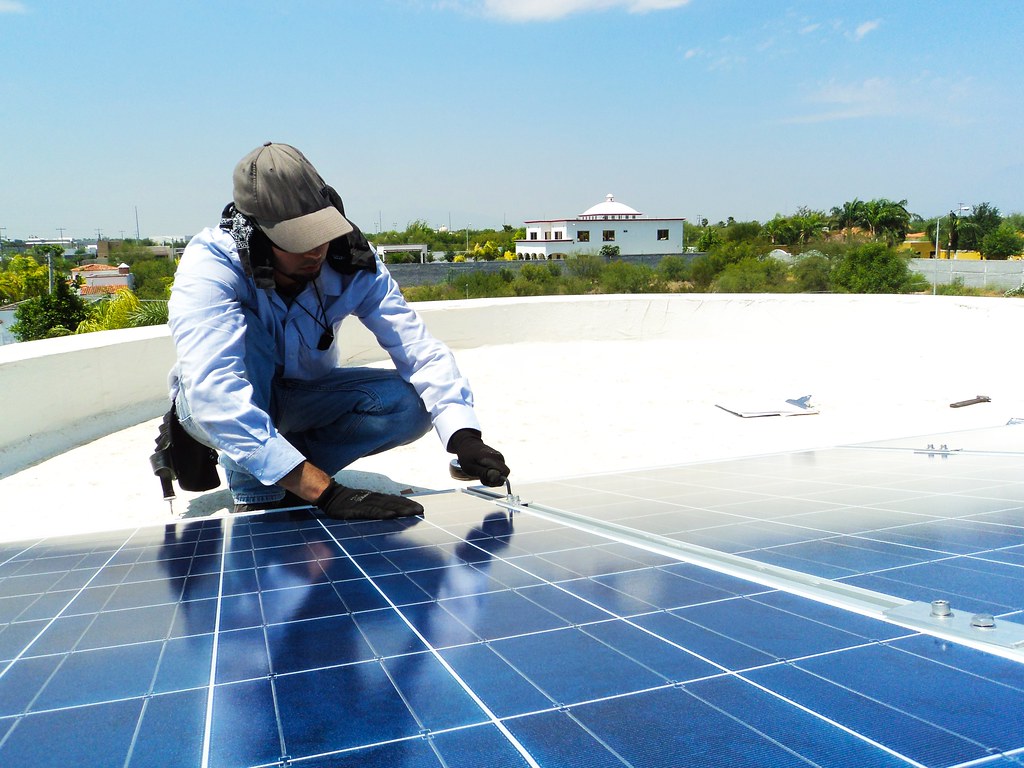
太陽光電板設置作業。照片來源:

超大型太陽能?

()根據IEA的STEPS情境,到2020年代中期,再生能源將取代煤炭成為最大的電力來源。到2040年,低碳能源將滿足全世界一半以上的電力需求,在SDS情境中甚至達到85%。

(不過,值得重申的是,今日電力僅佔總能源消耗的1/5,到2040年,這個數字在STEPS中將上升到24%,在SDS中將上升到31%。這是僅靠再生能源無法解決氣候挑戰的諸多原因之一。)

值得注意的是,今年的STEPS中,再生能源的前景大幅提高,2040年的太陽能總量提高了23%,風能提高了11%。非水電再生能源的增加了8%(下圖中的紅線),在2030年代後期超過了煤炭。

再生能源產量的成長大部分被增加的需求用掉,表示其他來源的發電相對不受影響。Carbon Brief的分析顯示,相對於去年的展望報告,2040年需求成長主要來自於2018基準年的需求增加,年複合成長率為2%。

各種能源全球發電量(十億度,TWh,即太瓦時)。 WEO 2019的歷史資料和STEPS以實線標示,WEO 2018以虛線標示。資料來源:國際能源署《 2019年世界能源展望》及上一版。Carbon Brief用Highcharts繪製。

WEO解釋:

由於成本持續降低,太陽光電成為2020年中國和印度最具競爭力的電力來源。到2030年,太陽能在歐盟和美國與其他能源的差距將大大縮小。在STEPS之下,2018年到2030年全球太陽光電的平均成本(均化成本)下降了約50%。

此外WEO強調,風能和太陽能的成本下降使「直接從煤炭轉往再生能源有更堅強的經濟理由」,而不是將天然氣當作通往低碳能源的過渡能源。

它還提到,美國新公布的海上風電競標,歐盟各地的競標價格低於預期,中國再生能源零補貼的趨勢也有所減弱。

IEA最近發表了一份關於海上風電前景的深度探討報告。IEA認為海上風電的技術潛力可滿足當今電力需求的好幾倍,成本更將在十年內與化石燃料相當。

IEA表示,隨著風能和太陽能在電力領域的發展,將面臨越來越多的挑戰:「政策制定者和監管機構必須迅速採取行動,以跟上技術變革的步伐和不斷成長的需求,以確保電力系統的靈活運作。」

太陽能傳說

儘管如前所述,今年的STEPS大幅上修2040年太陽能產出,但與其他預測相比,IEA對該技術的展望相對保守。

IEA對太陽能前景的預測受到許多批評。如下一個圖表的藍色色塊,IEA連續好幾個版本的前景報告上修太陽能容量成長。

(請注意,圖表顯示的是扣除退役後的淨增加。由於絕大多數太陽能容量的增加發生在近期,因此最初期可以忽略不計。IEA假設到2040年將有298GW的太陽能容量退役,也就是說在2030年代和之後,實際增加量會增加,而不是像下面的淨增加量表所示的那樣相對平穩。)

全世界太陽能年淨增加量(百萬瓩,GW)。紅色表示2019年的歷史資料和預估,而藍色表示各版本WEO的中心觀點預測。 WEO 2019 STEPS以黑色標示。資料來源:國際能源署《 2019年世界能源展望》和該報告的過去版本。Carbon Brief使用Highcharts繪製。

IEA將這些連續上修歸因於政府政策隨時間變化,尤其是中國的變化,中國是世界上最大的太陽能市場。

IEA解釋,繼2018年太陽能增長略顯疲軟後,「重新加速年度太陽能佈署,並加大力道確保將太陽能所發電力穩定進入電力系統,對於實現氣候目標和其他永續發展目標至關重要」 。

IEA相對保守的太陽能前景預測似乎部分取決於其對各種發電技術的標準加權平均資本成本的計算,視每個國家的發展階段,設定在7%到8%。

正如IEA對海上風電所做的估算,這可能對特定計畫的均化電力成本(LCOE)產生非常大的影響。 (歐洲海上風電的實際資本成本已接近4%,足以將其LCOE從每千度(MWh)140美元左右降低到100美元。)

另一個因素可能是IEA將重點放在系統「價值」上,而不是前期成本。IEA在WEO 2018發展出的「VALCOE」指標是這麼說明的。

IEA表示,降低成本並不保證能維持競爭力,「因為隨著其發電比例的增加,太陽能的系統價值相對於系統平均值而言往往會下降」。

因為太陽能輸出集中在每天中午時段,容量增加使供電增加,也部分影響了既有太陽能板創造的電價。

有些預測報告同樣考慮了這些因素,卻看好太陽能發電量的增長。到2040年,IEA的STEPS之下每年新增的太陽能不足140GW,而彭博新能源基金會(BloombergNEF)的新能源展望報告則認為,屆時新增的太陽能將超過300GW。這個數字與IEA的SDS中的佈署相同。

彭博新能源基金會還更看好風電容量的增長,預測到2050年,煤炭的電力輸出將下降一半,而非像IEA STEPS所預測的保持穩定。(系列專文3/3)

‘Profound shifts’ underway in energy system, says IEA World Energy Outlook (3/3) by Simon Evans

Supersized solar?

Elsewhere in the electricity sector, the IEA’s central STEPS sees renewables surging and overtaking coal as the largest source of power . By 2040, low-carbon sources would be supplying more than half of the world’s electricity needs – rising to 85% in the SDS.

(It is worth reiterating, however, that electricity accounts for only a fifth of final energy consumption today, a figure that rises to 24% by 2040 in the STEPS or 31% in the SDS. This is one of the many reasons why renewables alone cannot solve the climate challenge.)

Notably, this year’s STEPS has significantly increased the prospects for renewables, raising the solar total for 2040 by 23% and that for wind by 11%. This revision, adding 8% to the total for non-hydro renewables (red lines in the chart, below), sees them overtaking coal in the late 2030s.

The increase in expected renewable output is mostly absorbed by higher demand, meaning that generation from other sources is relatively unaffected. Carbon Brief analysis suggests the increase in 2040 demand relative to last year’s outlook is mainly due to higher demand in the base year 2018, which gets compounded by 2% annual growth.

Global electricity generation, by fuel, terawatt hours. Historical data and the STEPS from WEO 2019 are shown with solid lines while the WEO 2018 is shown with dashed lines. Source: IEA and last year’s edition. Chart by Carbon Brief using .

The WEO explains:

“As a result of continued cost reductions, solar PV becomes the most competitive source of electricity in 2020 in China and India, and largely closes the gap with other sources by 2030 in the European Union and United States. In the Stated Policies Scenario, the global average [levelised cost] of solar PV declines by about 50% from 2018 to 2030.”

It adds that cost declines for wind and solar are “bolstering the economic case for switching directly from coal to renewables”, rather than using gas as a “bridge” to low-carbon sources.

It also points to newly announced for offshore wind, in auctions around the EU and a softening of towards subsidy-free renewables.

The IEA recently published an of the prospects for offshore wind, which it says “has the technical potential to meet today’s electricity demand many times over” at costs set to be competitive with fossil fuels within a decade.

THREAD

Offshore wind has “near limitless” potential & is “set to be competitive with fossil fuels within the next decade”, as costs fall 60% by 2040.

Turbines will soon be as large as the Eiffel Tower.

Pretty amazing stuff from today’s new report.

— Simon Evans (@DrSimEvans)

The IEA says there will be an increasing need to address challenges posed by variable wind and solar as they take hold of the electricity sector: “Policy makers and regulators will have to move fast to keep up with the pace of technological change and the rising need for flexible operation of power systems.”

Solar saga

Despite the large upwards revision in solar output in 2040 under this year’s STEPS, noted above, the IEA’s outlook for the technology remains relatively conservative compared with some others.

The IEA’s outlooks for solar have become something of a for critics of the agency’s work. It has made upwards revisions for solar capacity growth in each successive edition of the outlook, shown in shades of blue in the chart, below.

(Note that the chart shows additions net of retirements. These are initially negligible as the vast majority of solar capacity growth has been recent. The IEA assumes 298GW of solar retirements to 2040, suggesting it expects capacity to switch off after around 25 years. This means that actual additions and beyond, rather than apparently remaining relatively flat as in the net additions chart below.)

Annual net additions of solar capacity around the world, gigawatts. Historical data and an estimate for 2019 are shown in red while central outlooks from successive editions of the WEO are shown in shades of blue. The WEO 2019 STEPS is shown in black. Source: IEA and previous editions of the outlook. Chart by Carbon Brief using .

The IEA attributes these successive upwards revisions largely to shifts in government policy over time, in particular pointing to changes in China, which is the world’s largest market for solar.

Myth 2: underestimates renewables growth.
-False. Additions of renewables lead all sources in all scenarios. Track back and China’s policy changes accelerated global growth. Unfortunately, in the rest of the world, renewables are behind (!) the STEPS equivalent from WEO2009

— Brent Wanner (@WannerBrent)

The IEA argues that following slightly weaker solar growth in 2018, “a renewed acceleration in annual solar PV deployment, alongside enhanced efforts to ensure smooth integration of the resulting solar generation into power systems, is essential to reach climate targets and other sustainable development goals”.

The IEA’s relatively conservative outlook for solar appears to rest partly on its use of a cost of capital for all electricity generation technologies, set at 7-8% depending on each country’s stage of development.

This can have a very large impact on the levelised cost of electricity (LCOE) for a given project, as the IEA with reference to offshore wind. (Actual costs of capital for offshore wind in Europe have been closer to 4%, enough to cut its LCOE from around $140 per megawatt hour to $100/MWh.)

Another factor could be the IEA focus on system “value” rather than , illustrated by the “” metric it developed for the WEO 2018.

The agency says that cost reductions do not guarantee continued competitiveness “because the system value of solar PV tends to decline relative to the system average as its share of generation rises”.

This is because solar output is concentrated in the middle of the day, with additional capacity adding to supply and so partially eroding the price commanded by already-built solar panels.

Despite also considering these sorts of issues, some other outlooks are on solar capacity growth. Whereas the IEA’s STEPS has solar additions of less than 140GW each year by 2040, the  sees solar additions topping 300GW by then. This higher figure is in line with deployment in the IEA’s target-focused SDS.

BloombergNEF is also more bullish on wind capacity growth, with the result that its outlook has electricity output from coal falling by half in 2050, rather than holding steady as in the IEA’s STEPS.

Simon Evans was one of more than 250 external peer reviewers that read sections of the World Energy Outlook in draft form.

※ 全文及圖片詳見:()

作者

如果有一件事是重要的,如果能為孩子實現一個願望,那就是人類與大自然和諧共存。

於特有生物研究保育中心服務,小鳥和棲地是主要的研究對象。是龜毛的讀者,認為龜毛是探索世界的美德。

【其他文章推薦】

AVX代理商NICHICON代理商授權有哪幾家?

※北部螺絲、螺帽專賣店-居家修繕大小事!

※哪家廠商儀器租賃較便宜,可彈性租期?

※怎麼檢測NBR手套規格是否有符合國家認証規定?

大樓隔熱紙施工分享說明,教你如何善用空間裝潢、設計 !

年產超過6000噸鮭魚!中國將建300個「海上牧場」

摘錄自2019年12月3日ETtoday報導

由於可供養殖的深遠海養殖面積約達16萬平方公里,中國預計建設約300個「海上移動牧場」,包括100個養殖工船牧場、200個大型深水網箱牧場,藉此達成年產2萬噸高品質海產品的目標。

據悉,「海上移動牧場」是包括親魚培養、產卵及受精、溫度培育、幼魚餵養、成魚養殖、收穫加工及運輸、陸上加工及銷售在內的深遠海養殖產業鏈,由一座管控中心、兩種核心裝備、一組配套船隊(捕撈漁船、養殖工船、活魚運輸船、飼料運輸船、冷藏運輸船、補給船、疫病處理船、廢料收集船等)組成。

其中,技術含量最高的是「深遠海養殖加工船」,而這種船針對高品質、高附加值魚種,集養殖、補給、加工、儲存和轉運功能於一體,首次採用封閉式循環水養殖方式,展開海上工廠化養殖。

據了解,「深遠海養殖加工船」能有效隔絕外來病原,保障養殖系統、提高養殖密度;同時具備自航能力,可快速躲避颱風等惡劣的天氣狀況,甚至還可在船上進行養殖魚類加工和冷藏存儲等動作,以利提高產品品質。

中國船舶及海洋工程設計研究院高級工程師童波表示,以今年年底即將交付的「深藍號」為例,該船可在無限航區航行,交付後將作業於南極水域,具備傳統尾拖網和連續泵吸拖網2種作業方式,船上配置凍蝦、蝦肉和蝦粉加工線。此外,他也提到,中國自主研製的「深藍1號」網箱也在去(2018)年開始試驗,並在今年7月經過改裝後,已正式投入運營。

【其他文章推薦】

※找工作! 想知道堆高機駕駛日薪是多少嗎? 哪裡有職缺?幫你快速媒合

※隨時健康喝好水,高品質飲水機推薦,優質安全有把關

※哪裡找的到工廠可IC捲帶包裝機代工?

新北市轉軸代工廠商詢價平台?

防爆隔熱紙規格資訊說明

中疾控報告:內蒙肺鼠疫患者疑似感染源

摘錄自2019年12月4日大紀元報導

中國疾病預防控制中心(中疾控)表示,來自內蒙古的兩例肺鼠疫夫妻患者,丈夫很可能在自家農場挖土時吸入帶有鼠疫菌的氣溶膠感染,妻子與丈夫接觸而感染。

另一名腺鼠疫患者給死野兔剝皮後被感染。前兩例患者和第三例患者之間無流行病學關聯。

據財新網報導,對中共官方報導的內蒙古三例鼠疫的上述病例,中疾控英文版週報做了首次報告。此外報告顯示,過去五年內蒙古鼠疫自然疫源地的動物疫情一直很活躍,在2019年發生劇烈的動物疫情流行,老鼠數量眾多。

鼠疫分為腺型、肺型和敗血症型,最為嚴重的是肺型鼠疫,患者一旦感染,呼吸道分泌物中即含有病原體,細菌將可能通過咳嗽等呼吸道傳播途徑直接在人群傳播。患者伴有劇烈胸痛、呼吸急促,咳大量鮮紅或粉紅的血性痰,最後或因呼吸衰竭而死亡。

中疾控方面除披露患者感染為原發性肺鼠疫外,此次還透露,首位肺鼠疫患者是在自家農場挖土時,疑似吸入帶有病原體的氣溶膠而感染鼠疫的。

內蒙、甘肅等地今年早前已爆發鼠疫,但當局掩蓋,至疫情擴散。目前內蒙的車站、火車站、機場、醫院都要檢查體溫。網上則有消息稱,鼠疫已擴散至吉林長春。有市民指自己大伯因染肺炎被拒就醫,數日內不治死亡,更被火速下葬。但消息很快被刪。

【其他文章推薦】

※有廠商專門客製化橡膠製品嗎?

噴霧洗滌塔實際應用案例分享

※票選推薦煮婦最愛手壓封口機,省荷包不犧牲品質

※選購空壓機需注意八大事項 !

※DIY自行施工建築隔熱紙,簡易教學大公開 !